

Public vs private utility locates confuse a lot of Florida property owners — and the confusion usually shows up at the worst possible time, mid-excavation. When most people hear “call before you dig,” they think of 811. That instinct is right, but 811 only covers public utilities, which leaves a lot of underground infrastructure unaccounted for on most properties.
1. Who Owns the Line
Public utility locates cover lines owned and maintained by utility companies — gas, electric, water, and communication lines — up to the point where they cross onto your property, typically ending at the meter. In Florida, this is coordinated through Sunshine 811, the state’s official one-call center. Private locates cover everything past that point: anything installed by a homeowner, landscaper, or previous contractor.
2. Cost
811 tickets are free by law. Private locates are a paid service, since they’re not part of the state-mandated program — but they cost far less than repairing a struck line mid-project.
3. What Gets Marked
The public vs private utility locates distinction really comes down to this list. Public locates mark gas, electric, water, and communications. Private locates cover irrigation and sprinkler lines, pool equipment and bonding grids, propane lines, private electrical runs, septic and drain field lines, and invisible pet fencing.
4. Legal Requirement
Calling 811 before excavation is required by Florida law. Scheduling a private locate isn’t legally mandated — but it’s the only way to know what’s buried beyond the meter, and skipping it is where most utility strikes happen.
5. Who Provides the Service
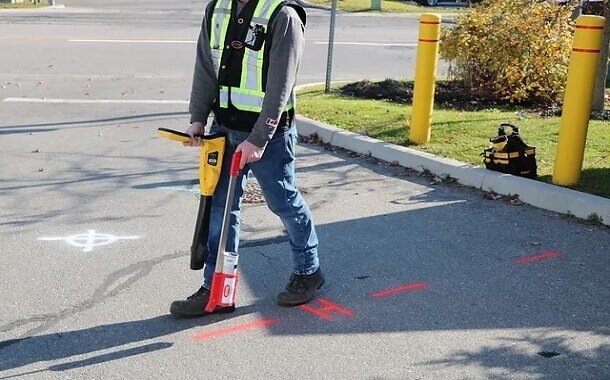
Public locates are handled by each utility company through the Sunshine 811 system. Private locates are handled by companies like All Clear Locating Services, using electromagnetic locating and ground-penetrating radar (GPR) to detect what 811 legally can’t touch.
Why the Difference Matters
If you hire an excavation crew or start digging based only on 811 markings, you’re only seeing half the picture. Private lines aren’t marked by law, aren’t tracked in any public database, and vary property to property — which means hitting one is entirely possible even after a clean 811 ticket.
Bottom Line
811 is a great first step, but understanding public vs private utility locates is what actually keeps your project on schedule and your budget intact. If your project involves anything beyond the meter — a fence, a pool, a new irrigation zone — a private utility locate is the piece that’s easy to miss and expensive to skip.
Related reading: 811 vs Private Locate Florida: 6 Differences You Need to Know | What 811 Does Not Mark
Quick FAQ
Is a private utility locate required by law in Florida? No — only the 811 process is legally mandated. A private locate is optional but strongly recommended for any project touching private infrastructure.
Can I request both at once? Yes. Submit your 811 ticket first, then schedule your private locate to happen before your project’s start date.
